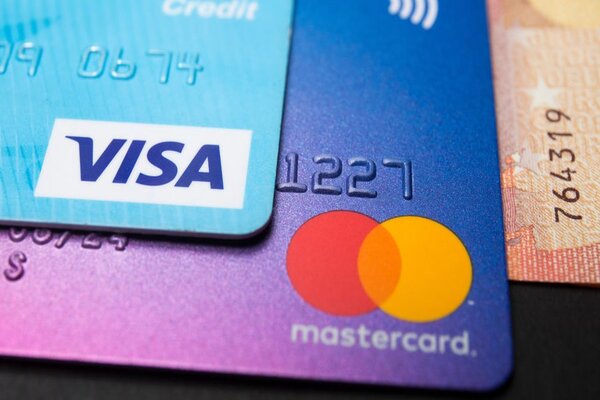
Visa and Mastercard to Pay $167.5 Million in ATM Fee Settlement
Visa and Mastercard to Pay $167.5 Million in ATM Fee Settlement: What It Means for Consumers

Visa and Mastercard — two of the world’s largest payment networks — have agreed to pay a combined $167.5 million to settle a class-action lawsuit accusing them of conspiring to keep ATM access fees artificially high.
The proposed settlement was filed in federal court in Washington, D.C., and still requires a judge’s approval. If finalized, the agreement could benefit millions of consumers who paid unreimbursed fees when withdrawing cash from independent, non-bank ATMs.
According to court documents, Visa will contribute roughly $88.8 million, while Mastercard will contribute about $78.7 million to the settlement fund. Payouts would be distributed to eligible users with qualifying ATM transactions dating back to October 2007.
Although both companies denied wrongdoing, they agreed to the settlement to resolve more than a decade of litigation involving antitrust and competition concerns in the ATM marketplace.
What Was the Lawsuit About?
The lawsuit was originally filed in 2011 and is one of three related cases heard in the same federal court.
Consumers alleged that Visa and Mastercard enforced industry rules that prevented independent ATM operators from offering lower fees, even when they were willing to charge less.
In effect, the rules allegedly:
restricted price competition
discouraged market alternatives
resulted in higher ATM access fees for users
The plaintiffs argued that these policies gave Visa and Mastercard disproportionate control over ATM pricing dynamics, limiting the ability of independent operators to compete.
The companies have consistently denied the allegations — but the settlement allows both sides to avoid the uncertainty and costs of continued litigation.
Who May Be Eligible to Receive Compensation?
The settlement would apply to:
✔ ATM users who paid an unreimbursed access fee
✔ when withdrawing cash from independent (non-bank) ATMs
✔ for transactions made since October 2007
The amount each person may receive will depend on:
the number of qualifying ATM transactions
verified transaction records
how the settlement fund is distributed
As is typical in class-action cases, attorneys for the plaintiffs plan to request up to 30% of the settlement fund — roughly $50 million — in legal fees, subject to court approval.
This Settlement Follows Other Related Agreements
This case is part of a broader wave of litigation surrounding ATM pricing practices.
In previous related settlements:
Visa and Mastercard agreed to pay $197.5 million to resolve claims from a separate group of ATM users allegedly overcharged at bank-operated ATMs
Several banks reached their own settlement in 2021, totaling $66 million
Meanwhile, a third lawsuit remains ongoing, brought by independent ATM owners and operators who say they were also harmed by the same pricing rules.
That case is still pending in the same court.
Why This Case Matters
Beyond the financial settlement, this litigation raises bigger questions about competition and market power in the payments industry.
Visa and Mastercard dominate the landscape for:
debit transactions
network processing
ATM payment routing
The plaintiffs argued that the companies’ rules:
❌ limited competition
❌ constrained pricing flexibility
❌ resulted in higher out-of-pocket costs for consumers
The case also comes at a time when Visa faces other antitrust challenges — including a lawsuit from the U.S. Department of Justice alleging it illegally monopolized the U.S. debit card market. Visa has denied those claims as well.
The settlement adds to growing scrutiny over how payment networks influence fees across the financial system.
What This Means for ATM Users
The case highlights an important reality many consumers may not be aware of:
The fee you pay at an ATM isn’t always determined by the machine’s operator.
In some situations, network rules and payment structures play a significant role in how prices are set.
Key takeaways for consumers include:
1️⃣ Lack of competition can drive fees higher
2️⃣ Network policies may affect what operators can charge
3️⃣ Greater transparency in ATM pricing may be needed
The case is also fueling broader policy discussions around:
💬 fair competition in digital finance
💬 consumer pricing protections
💬 how much control major payment networks should have
How Consumers May Be Able to File a Claim
The settlement is currently:
🟡 filed with the court
🟡 awaiting judicial approval
If approved, the next steps would typically include:
appointment of a settlement administrator
creation of an official claims website
publication of eligibility and filing instructions
In most large class-action settlements:
✔ claims are submitted online
✔ no attorney is required
✔ users provide basic transaction details
When that stage begins, consumers will need to be cautious to avoid unofficial or fraudulent websites, and rely only on:
court-authorized domains
official settlement notices
Final Thoughts
The $167.5 million Visa and Mastercard settlement represents:
✔ a meaningful victory for consumers
✔ an important antitrust milestone in the financial sector
✔ a sign of growing oversight in payment network practices
Although the companies did not admit wrongdoing, the agreement underscores the increasing legal and regulatory focus on:
🔍 transparency
🔍 pricing fairness
🔍 competition in financial services
Questions still remain, including:
how much individual users will ultimately receive
what impact future rulings may have on ATM fees
whether ongoing litigation will lead to further industry changes
But one thing is clear:
➡ consumer pricing practices in the payments ecosystem are facing more scrutiny than ever.


